

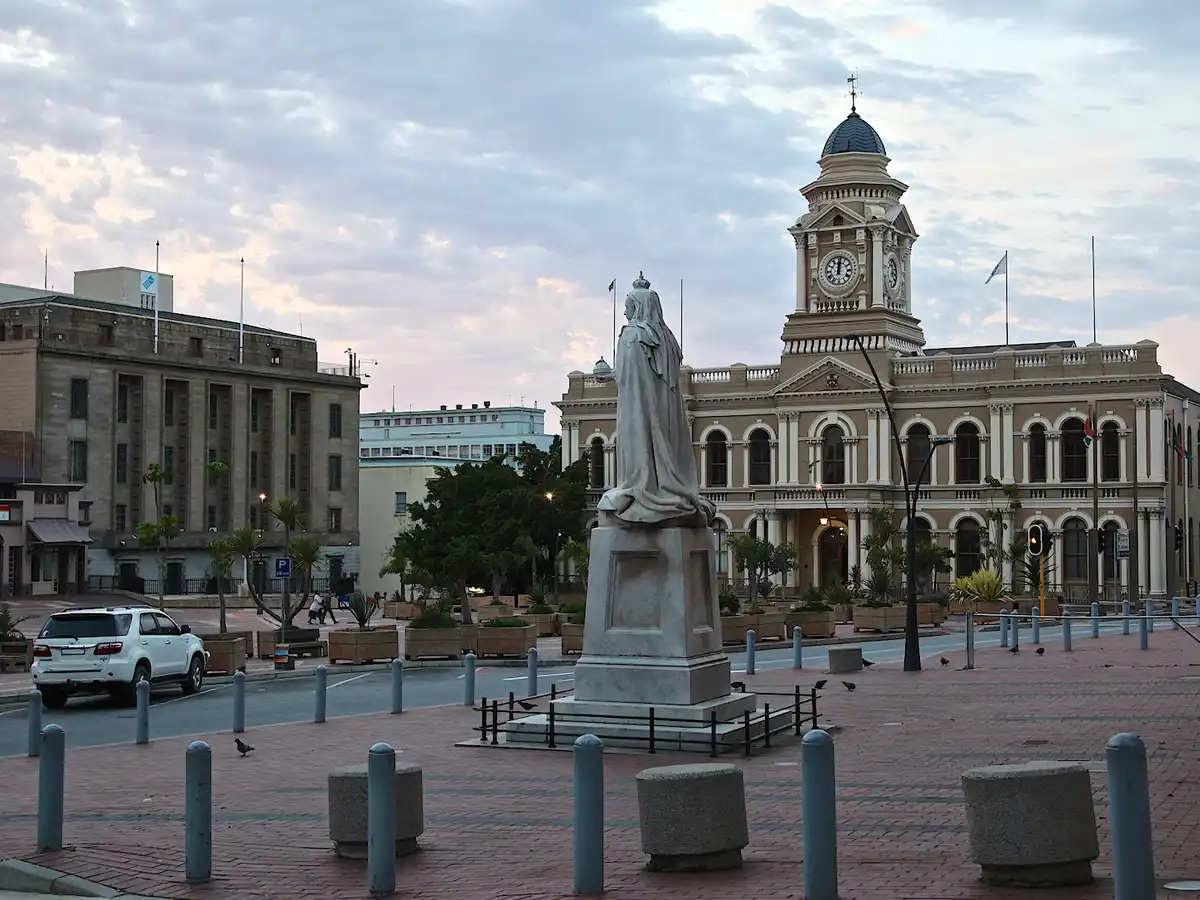
Gqeberha, formerly known as Port Elizabeth, is one of South Africa’s most rewarding coastal destinations for travellers who enjoy a mix of beach life, wildlife, heritage and relaxed city energy. Set on the shores of Algoa Bay in the Eastern Cape, the city offers a softer rhythm than South Africa’s larger metros while still giving visitors easy access to ocean adventures, cultural landmarks and some of the country’s most memorable safari experiences. It is a place where mornings can begin with a walk beside the Indian Ocean, afternoons can be spent exploring art and history, and the next day can bring elephants, antelope and open plains just a short drive away.
For many visitors, Gqeberha is the eastern gateway to the Garden Route and a convenient base for exploring the Eastern Cape. Yet it deserves more than a quick stopover. Its tourism appeal lies in its balance: it is urban without feeling overwhelming, scenic without feeling remote, and adventurous without being difficult to navigate. The city’s long beachfront, family-friendly attractions, nearby nature reserves and warm local character have helped it earn the nickname “the Friendly City”. For domestic travellers, it is an accessible seaside escape. For international tourists, it is a practical introduction to the diversity of South Africa beyond the better-known centres of Cape Town, Johannesburg and Durban.
Beaches and the Beauty of Algoa Bay
Gqeberha’s coastline is one of its strongest tourism assets. Algoa Bay is known for its broad sandy beaches, relatively calm swimming areas and lively beachfront atmosphere. Hobie Beach, Kings Beach and Humewood Beach are among the most popular coastal spots, attracting swimmers, sunbathers, families and visitors who simply want to enjoy the sea air. The beachfront promenade is ideal for walking, jogging or cycling, especially in the early morning when the light over the bay gives the city a peaceful seaside mood.
Beyond the main urban beaches, the wider coastline offers quieter natural settings. Sardinia Bay, with its sweeping dunes and open views, is a favourite for sunset visits, photography and long beach walks. Cape Recife Nature Reserve combines rocky shores, coastal vegetation, birdlife and views of the historic lighthouse, making it appealing to travellers who want a less commercial beach experience. These varied coastal spaces allow Gqeberha to satisfy different kinds of tourists: families looking for convenience, couples seeking scenic views, outdoor enthusiasts chasing fresh air, and photographers looking for colour, texture and dramatic seascapes.
Wildlife at the City’s Doorstep
One of Gqeberha’s greatest advantages is its proximity to major wildlife experiences. Addo Elephant National Park, one of the Eastern Cape’s best-known attractions, is close enough for a day trip from the city. The park is famous for its elephants, but it also offers opportunities to see buffalo, antelope, zebra, lions and many other species, depending on route, season and luck. For travellers who want a safari experience without travelling deep into remote bushveld, Gqeberha provides a convenient and rewarding base.
Wildlife tourism around Gqeberha is not limited to land. Algoa Bay is also associated with rich marine life, including dolphins, whales in season and seabirds. Boat-based activities can introduce travellers to the natural life of the bay, while coastal reserves provide opportunities for birdwatching and ecological exploration. This combination of marine, coastal and safari experiences makes the city especially attractive to tourists who want variety within a compact itinerary. Few destinations allow visitors to enjoy beach views, penguin conservation, forested valleys and elephant country within such easy reach.
Culture, History and Urban Landmarks
Tourism in Gqeberha is also shaped by its layered history. The city’s older name, Port Elizabeth, remains widely recognised, but its official name reflects South Africa’s ongoing effort to acknowledge indigenous languages and heritage. Visitors interested in culture can explore landmarks such as the Donkin Reserve, where public art, city views, the lighthouse and the pyramid monument help tell part of the city’s colonial and contemporary story. Route 67, an arts and heritage walk inspired by Nelson Mandela’s 67 years of public service, adds a creative dimension to the city centre and encourages visitors to engage with public sculpture, mosaics and symbolic urban spaces.
Other heritage attractions, including older buildings, museums and cultural sites, help position Gqeberha as more than a beach destination. Bayworld, the Nelson Mandela Metropolitan Art Museum and historic sites such as No. 7 Castle Hill can be included in a visitor’s itinerary, especially on days when the weather is not ideal for the beach. These attractions support a more rounded tourism experience, connecting visitors to the city’s past, its artistic life and its role within the broader Eastern Cape region.
Adventure, Food and Local Experiences
Gqeberha’s tourism appeal grows stronger when visitors look beyond the obvious highlights. Adventure activities in and around the city include surfing, kitesurfing, sandboarding, hiking, trail running and cycling. The Maitland dunes, coastal trails and nearby reserves provide energetic options for travellers who prefer active holidays. The city is also well positioned for road trips, whether travellers are arriving from the Garden Route, continuing toward the Wild Coast or building a longer Eastern Cape itinerary.
Food and entertainment add another layer to the visitor experience. The beachfront and Summerstrand areas offer restaurants, cafés and accommodation close to the sea, while local markets and casual eateries give travellers a taste of everyday city life. Seafood is a natural attraction in a coastal city, but visitors will also find South African favourites, coffee spots, craft beverages and relaxed venues suited to families or groups. The Boardwalk area provides dining and entertainment in a convenient setting, making it popular with tourists who want a simple evening option after a day outside.
Why Gqeberha Works for Tourists
Gqeberha works particularly well because it is manageable. Nelson Mandela Bay Airport connects the city to major South African centres, and the layout is generally easier for visitors than larger metropolitan areas. Tourists can base themselves near the beachfront, use guided tours for wildlife outings, and combine city sightseeing with day trips. This makes the destination suitable for families, solo travellers, couples and older visitors who want comfort without losing access to adventure.
The city is also a strong choice for value-conscious travellers. Compared with more famous destinations, Gqeberha can feel less crowded and more affordable, while still offering beaches, wildlife, culture and good hospitality. Its climate supports year-round travel, though warmer months are best for beach holidays and whale season can add extra interest for nature lovers. Visitors should still use sensible urban travel habits, such as staying aware of their surroundings, using reliable transport when needed and checking local conditions before heading to remote beaches or nature areas.
A Destination of Coast, Conservation and Character
Gqeberha may not always receive the same global attention as Cape Town or the Kruger region, but its tourism identity is distinctive and valuable. It offers a rare combination of coastal leisure, wildlife access, cultural heritage and easy movement. Visitors can experience golden beaches, marine life, public art, historic landmarks, local food and safari landscapes within one compact destination. That range makes the city more than a convenient stop at the end of the Garden Route; it makes it a rewarding travel base in its own right.
For tourism, Gqeberha’s greatest strength is its sense of balance. It is relaxed but not empty, scenic but not isolated, and adventurous but still accessible. Whether a traveller comes for the beaches, Addo Elephant National Park, the art and history of Route 67, or simply the pleasure of slowing down beside Algoa Bay, Gqeberha offers an inviting portrait of the Eastern Cape. It is a city of coast, conservation and character — and one that rewards visitors who take the time to look beyond its former name and discover its present-day charm.



Update Comment