

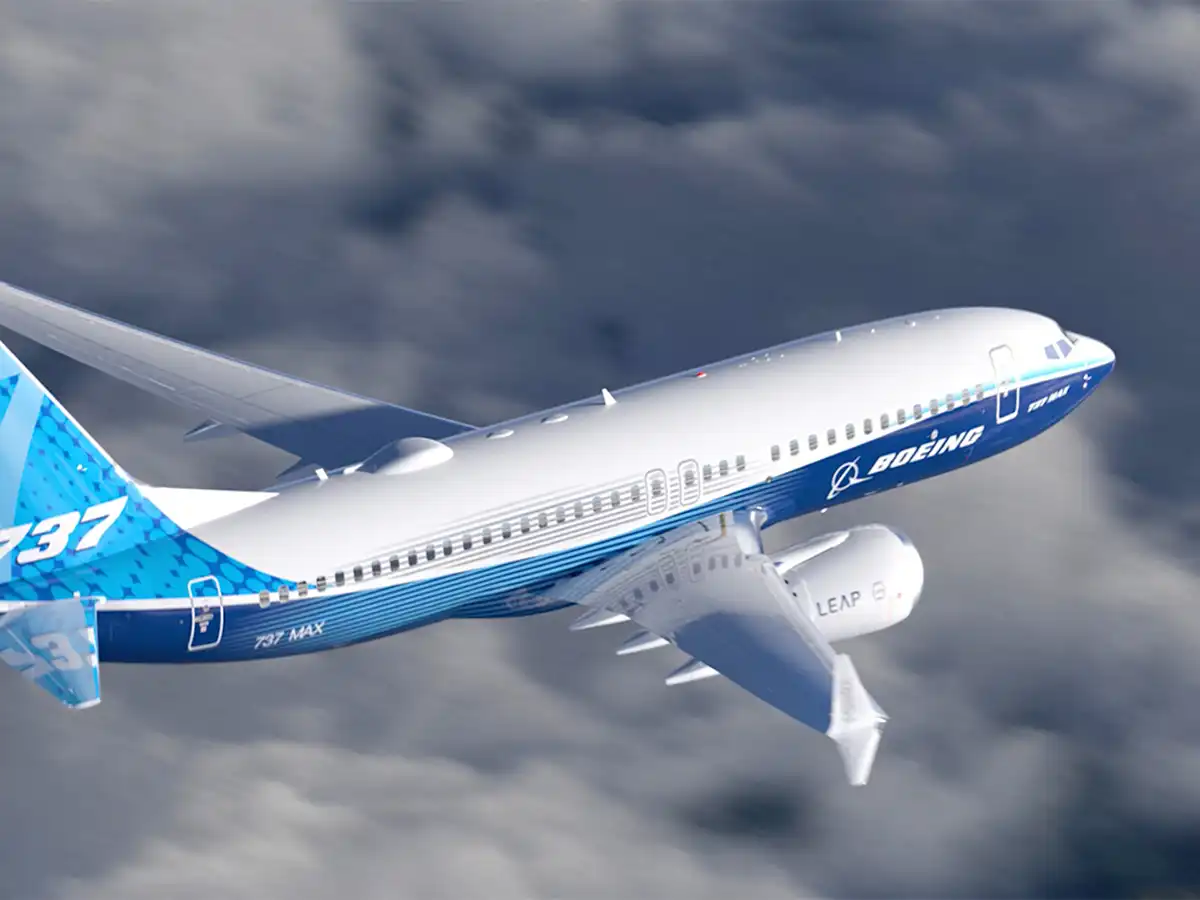
Boeing released three 2026 outlooks for commercial aviation: the Commercial Market Outlook, the Services Market Outlook, and the Pilot & Technician Outlook. Together, they show strong long-term growth in air travel, aviation services, and workforce demand.
Boeing expects aviation demand and passenger traffic to double over the next 20 years. It also forecasts a $4.9 trillion services and support market, plus demand for more than 2.4 million new aviation workers by 2045.
Key Services Market Trends
Boeing says the services market will be shaped by five main trends:
Better aircraft lifecycle management to improve efficiency.
More digital tools and data-driven services.
Changing service needs across different regions.
Growing demand for trained aviation workers.
More retirements, increasing the need to replace experienced staff.
Chris Raymond, president and CEO of Boeing Global Services, said demand for services is strong across the portfolio. He also noted that digitally enabled fleets and skilled workers will be key to keeping aircraft flying safely and efficiently.
Workforce Demand
Boeing expects the aviation industry to need more than 2.4 million new workers by 2045:
- 674,000 pilots
- 728,000 maintenance technicians
- 1,023,000 cabin crew members
About two-thirds of this demand will replace retiring workers. The remaining one-third will support fleet growth. Boeing says competency-based training and new technologies can help improve training quality and address global shortages.
Chris Broom, vice president of Commercial Training Solutions at Boeing Global Services, said investment in workforce development will help keep the growing global fleet operating safely and efficiently.
Regional Demand Through 2045
Region | New pilots | New technicians | New cabin crew | Total new personnel | Services and support demand |
Global | 674,000 | 728,000 | 1,023,000 | 2,425,000 | $4.9T |
Africa | 22,000 | 25,000 | 28,000 | 75,000 | $140B |
China | 123,000 | 131,000 | 171,000 | 425,000 | $875B |
Eurasia | 153,000 | 169,000 | 249,000 | 571,000 | $1.185T |
Latin America | 38,000 | 42,000 | 56,000 | 136,000 | $260B |
Middle East | 67,000 | 65,000 | 104,000 | 236,000 | $475B |
North America | 122,000 | 125,000 | 191,000 | 438,000 | $995B |
Northeast Asia | 24,000 | 28,000 | 43,000 | 95,000 | $200B |
Oceania | 11,000 | 12,000 | 18,000 | 41,000 | $85B |
South Asia | 48,000 | 48,000 | 54,000 | 150,000 | $220B |
Southeast Asia | 66,000 | 83,000 | 109,000 | 258,000 | $425B |



Update Comment